

Starting your own garden in an urban environment can feel daunting at first, especially when you are limited to a small balcony. However, with the right approach and a bit of planning, you can transform that concrete space into a productive and beautiful green retreat.
Gardening in the balcony offers a unique set of rewards, from growing your own fresh herbs to creating a private sanctuary in the middle of a busy city. This guide will walk you through everything you need to know to get started with confidence in 2026.
You don’t need a massive backyard or a country estate to enjoy the peace of a thriving garden. For many of us living in the heart of the city, the balcony is our only connection to the outdoors. But here is the good news: that small concrete rectangle has more potential than you might think. Whether you want to pluck fresh basil for your pasta or create a wall of colorful flowers to block out the street noise, gardening in the balcony is one of the most rewarding hobbies you can start in 2026.
But where do you actually begin? It is easy to get overwhelmed by rows of specialized pots and bags of “magic” soil at the garden center. The secret to success isn’t a green thumb, it is preparation. In this guide, we will break down exactly how to evaluate your space, choose the right supplies, and keep your plants thriving throughout the year.
Understanding your balcony’s microclimate
Before you buy your first bag of soil, you need to understand the unique environment of your balcony. Every balcony has a “microclimate,” which is a small area where the conditions differ from the general weather in your city. Factors like wind, reflected heat, and light levels will determine which plants succeed and which ones struggle.
Sun exposure and light levels
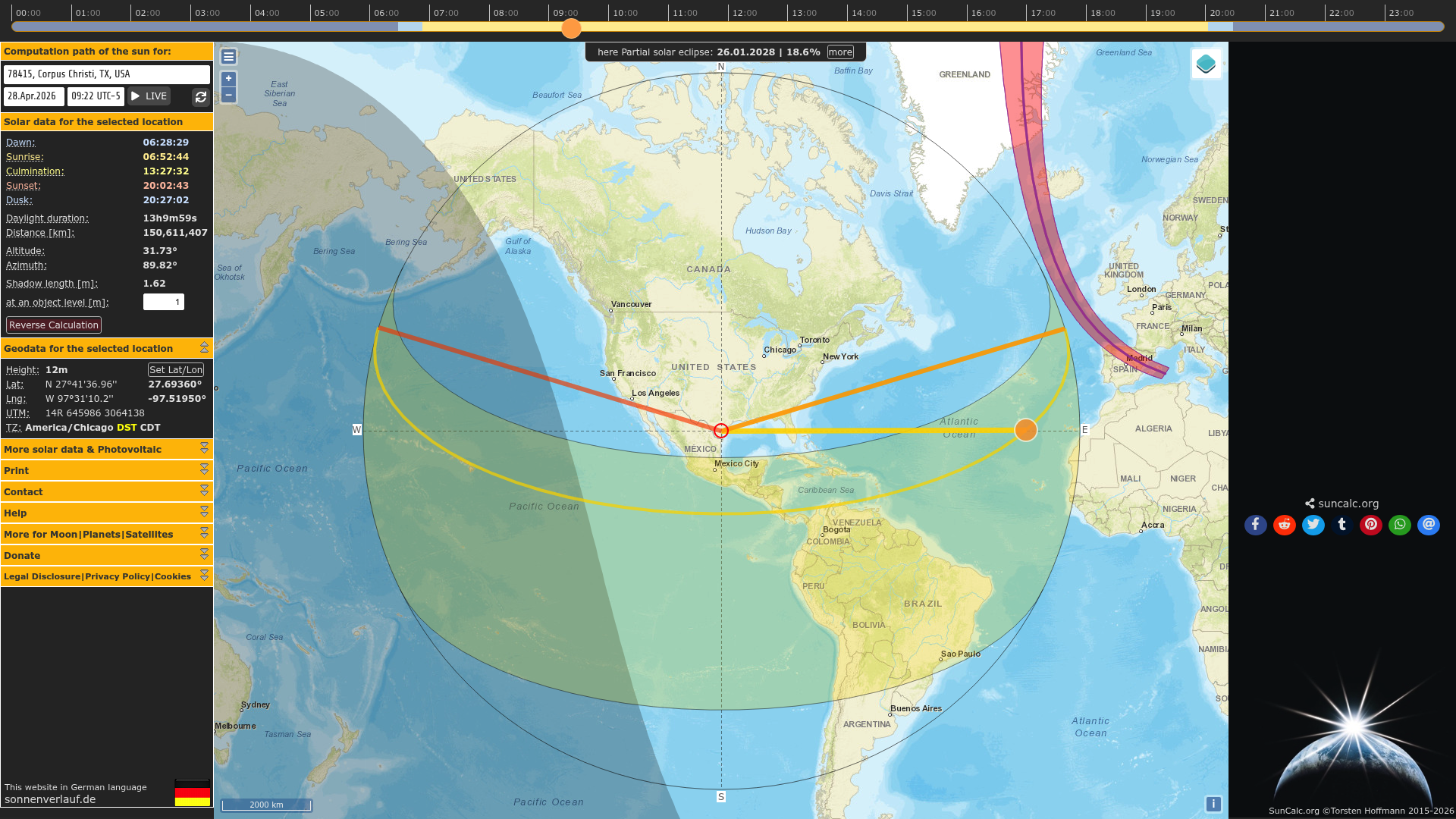
Sunlight is the primary fuel for your garden. Most vegetables and flowering plants need a minimum of 6 to 8 hours of direct sun per day to grow well and produce fruit. You can track this by checking your balcony every hour or two on a sunny day and noting which areas are in the sun.
If your balcony faces south, you likely have a sun-drenched space perfect for tomatoes, peppers, and most herbs. If it faces north, you will need to focus on shade-tolerant plants like ferns, hostas, and certain leafy greens. Many people overestimate how much sun they actually get, so using a compass or a sun-tracking app can save you from a lot of trial and error later on.
The wind factor on high-rise balconies
The higher up you are, the more wind becomes a challenge. High-rise balconies often face strong, drying winds that can parch your plants much faster than a traditional backyard garden. These winds can also rip delicate flower petals and knock over tall, lightweight pots.
If your space is particularly windy, consider installing a lattice or wire trellis. These structures act as a windbreak while providing a place for climbing vines to grow. You can also group pots together to create a more sheltered environment for your more fragile plants.
Dealing with reflected heat
Concrete floors, brick walls, and large glass windows can reflect and intensify heat. While tropical plants might love this extra warmth, cool-season crops like lettuce or spinach will likely wilt under the pressure. If heat reflection is a major issue on your balcony, you might want to consider succulents or Mediterranean herbs like rosemary and lavender, which are built to handle intense temperatures.
Essential supplies for a successful balcony garden
Having the right gear is about more than just aesthetics. In an urban environment, your supplies must be practical, lightweight, and respectful of your building’s safety rules.
Choosing the right containers
Drainage is the single most important factor when choosing a pot. Every container must have holes at the bottom to allow excess water to escape. Without drainage, your plants’ roots will sit in water and eventually rot.
When it comes to materials, weight is a major consideration. While terra cotta and ceramic pots are beautiful, they are also incredibly heavy. For most balconies, resin, plastic, or fiberglass containers are better choices. They are durable, retain moisture better than clay, and won’t exceed your building’s weight limits. Fabric grow bags are another excellent, lightweight option that can be easily folded away at the end of the season.
Soil versus dirt
It might be tempting to grab some dirt from a local park or a friend’s yard, but this is a common mistake for beginners. Traditional garden soil is too heavy for containers and often contains pests, weed seeds, and soil-borne diseases.
Instead, always use a high-quality commercial potting mix. These mixes are sterile, lightweight, and designed to provide the perfect balance of drainage and moisture retention. Many premium mixes also include a starter fertilizer to give your plants a boost for the first few weeks.
Essential maintenance tools
You don’t need a shed full of tools to maintain a balcony garden. A few high-quality basics will do the trick:
- Watering can: Invest in a lightweight can with a “rose” attachment for a gentle spray.
- Hand trowel: A sturdy trowel is essential for planting and moving soil.
- Pruning shears: These are vital for deadheading flowers and keeping your plants from getting too leggy.
- Saucers and trays: These catch excess water to prevent it from raining down on your neighbors below.
How to start your balcony garden in 5 simple steps
Ready to get your hands dirty? Here is how the process works from start to finish.
Step 1: Measure and evaluate your space
Start by measuring the floor area of your balcony. You need to know exactly how much room you have for pots while still leaving space for yourself to move around. It is also the time to check your building’s safety guidelines. Most modern balconies are designed to support about 60 pounds per square foot, which is plenty for a standard garden, but it is always better to be certain.
Step 2: Select the right containers and soil
Based on your measurements, pick out pots that fit your layout. For a cohesive look, try to stick to a consistent color palette or material. Fill your containers with organic potting mix, leaving about an inch of space at the top to allow for watering. If you are using very large pots, you can place them in their final positions before filling them to avoid heavy lifting later.
Step 3: Choose your plants based on light levels
This is the fun part. Take your sun map and head to the nursery. If you have full sun (6+ hours), look for “sun-loving” labels. If you have less, look for “partial shade” or “shade” varieties. For absolute beginners, starting with established transplants is often easier than growing everything from seed.
Step 4: Plant your seeds or transplants
When you are ready to plant, gently remove your seedlings from their nursery pots. Dig a hole in your container soil that is slightly larger than the root ball. Place the plant in the hole, making sure it sits at the same depth it was in the nursery pot. Gently firm the soil around the base to remove air pockets.
Step 5: Establish a watering and feeding routine
Water your new plants immediately after planting. In a container environment, the soil dries out much faster than in the ground, so you may need to water daily during hot spells. A month after planting, start using a balanced organic fertilizer to replenish the nutrients in the soil.
Best plants for small urban balconies
Choosing the right varieties can make the difference between a frustrating season and a bountiful harvest. Some plants are simply better suited for the “pot life” than others.
| Plant Category | Best Varieties for Balconies | Light Requirement |
|---|---|---|
| Edibles | Cherry tomatoes, peppers, basil, mint | Full Sun |
| Leafy Greens | Lettuce, spinach, kale, swiss chard | Partial Shade |
| Flowers | Marigolds, petunias, pansies | Sun to Partial Sun |
| Vertical | Snap peas, pole beans, climbing jasmine | Full Sun |
Edible favorites for beginners
If you want to grow your own food, start with herbs. Basil, parsley, and chives are incredibly hardy and can be harvested all season long. For vegetables, bush-type cherry tomatoes are a staple because they produce a high yield without taking up too much floor space.
Ornamental plants for color and privacy
Flowers aren’t just for looks. Marigolds are famous for their ability to deter pests, making them a great companion for your vegetables. If you want privacy, consider climbing vines like clematis or jasmine grown on a trellis. These will create a living screen that smells as good as it looks.
Common challenges and how to overcome them
Even with the best planning, gardening in the balcony can throw you a few curveballs. Here is how to handle the most common urban gardening hurdles.
Managing pests in the city
You might think that being several stories up would protect you from bugs, but pests like aphids and spider mites are surprisingly good at finding their way to your balcony. The best defense is a healthy plant. Check your leaves regularly for any signs of yellowing or small spots. If you do find pests, a simple spray of neem oil or insecticidal soap can usually solve the problem without using harsh chemicals.
Dealing with water runoff
Being a good neighbor is part of urban gardening. When you water your plants, the excess needs to go somewhere. Always use deep saucers under your pots to catch the overflow. This not only prevents water from dripping onto the balconies below but also acts as a small reservoir for your plants on particularly hot days.
Overcoming space limitations
If your floor space is limited, look up. Vertical gardening ideas like hanging baskets, wall-mounted planters, and tiered shelving can triple your growing area. You can also use railing planters to grow flowers or herbs along the perimeter of your space.
Transform your small space with GrowInBalcony
At GrowInBalcony, our mission is simple: we want to help you turn your small urban space into a beautiful, green, and productive garden. We believe that everyone deserves a bit of nature at home, regardless of their square footage or gardening experience.
We offer a range of beginner-friendly gardening guides designed to make your journey as easy as possible. Whether you are looking for balcony garden setup ideas or need advice on keeping your plants healthy in any season, we are here to provide simple, practical guidance every step of the way.
Bottom line? Don’t let a small space stop you from growing. With a few pots, some good soil, and a little bit of care, you can create your own private oasis right outside your door. Let’s grow together, one balcony at a time.
Frequently Asked Questions
How much sun is required for gardening in the balcony?
Most vegetables and flowering plants need between 6 and 8 hours of direct sunlight per day to thrive when gardening in the balcony.
Can I grow vegetables while gardening in the balcony?
Yes, many vegetables like cherry tomatoes, peppers, and lettuce are perfectly suited for gardening in the balcony if they have the right size pots and enough light.
What are the best containers for gardening in the balcony?
Lightweight materials like resin, plastic, and fabric grow bags are the best options for gardening in the balcony because they are easy to move and respect building weight limits.
Do I need special soil for gardening in the balcony?
You should always use a high-quality commercial potting mix for gardening in the balcony rather than garden dirt, as it provides better drainage and is sterile.
How often should I water when gardening in the balcony?
Plants in containers dry out quickly, so you may need to water daily or even twice a day during hot weather while gardening in the balcony.
Is it possible to garden vertically for gardening in the balcony?
Vertical gardening is a fantastic way to maximize space for gardening in the balcony by using wall planters, trellises, and hanging baskets.


