


The dream of picking fresh basil for your pesto or harvesting crisp lettuce for a salad shouldn’t depend on whether you have a backyard. In 2026, indoor gardening has evolved from a niche hobby into a practical lifestyle for urban dwellers who want to reconnect with their food. Whether you live in a tiny studio apartment or a garden-level flat with minimal natural light, you can turn any corner of your home into a productive sanctuary.
We believe that everyone has a green thumb, they just need the right guidance to tap into it. At GrowInBalcony, our mission is to help you turn small spaces into beautiful, green, and productive gardens. If you have been hesitant to start because you lack outdoor space, indoor gardening is your solution. It provides 24/7 access to fresh nutrients, significant mental health benefits like stress reduction, and natural air purification for your home.
What is indoor gardening and why should you start?
Indoor gardening is the simple act of encouraging plant life to thrive within the four walls of your home. While humans have been practicing this for centuries (even Mark Twain kept a “jungle” in his conservatory), modern technology has made it easier than ever for complete beginners. Most indoor gardening setups use specialized full-spectrum LED lighting and controlled containers to mimic the outdoor environment.
The benefits go far beyond just having fresh garnishes. Indoor plants are known to cleanse the air we breathe and create a tranquil setting that supports better mental health. For those who already enjoy balcony gardening, learning these techniques is essential for keeping your balcony plants healthy through seasonal transitions. When the first frost hits, your indoor garden becomes the safe haven for your favorite urban favorites.
We have found in our research that the most successful indoor gardeners are those who start with a clear plan. You don’t need to be a horticulture expert to succeed; you just need to understand the basic needs of your plants and provide them consistently.
Essential supplies: What you’ll need to get started with indoor gardening
You don’t need a massive budget to begin, but there are a few baseline requirements for success. Edible plants like herbs and vegetables have higher demands than decorative houseplants, particularly when it comes to light and nutrition.
Here are the primary supplies you will need:
- Containers or bins: These can range from simple terra cotta pots to specialized 14-gallon bins for deeper root systems.
- Full-spectrum LED grow lights: Natural light from windows is rarely enough for edibles. Most successful systems require 12 to 15 hours of consistent light daily.
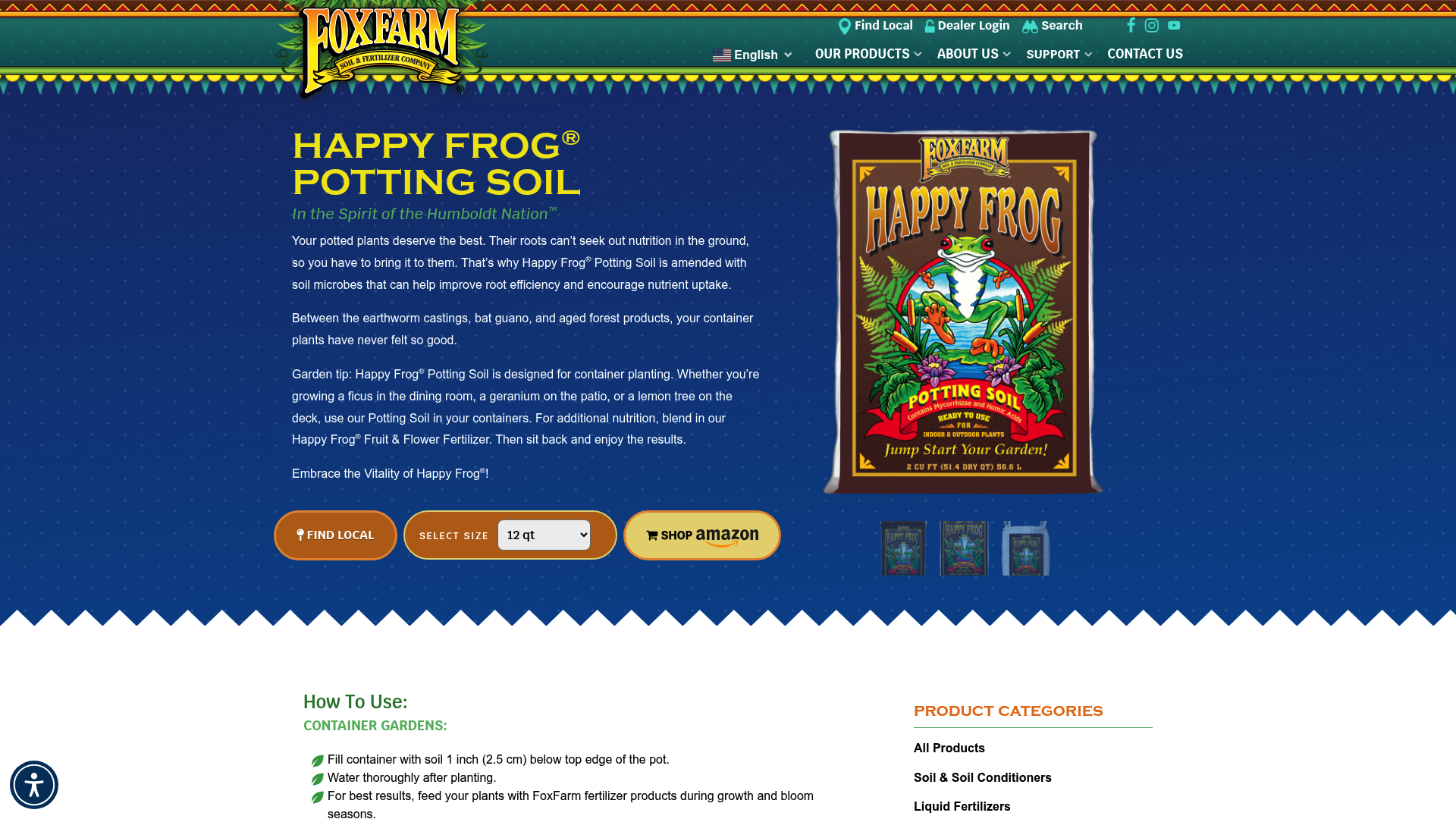
- Growing medium: While standard garden soil is too heavy, specialized mixes like Happy Frog Potting Soil are ideal because they are amended with soil microbes and earthworm castings to encourage nutrient uptake.
- Nutrients: Indoor plants can’t seek nutrition from the ground, so you must bring it to them using organic fertilizers or compost.
Our goal is to provide simple, practical, and easy-to-follow information for absolute beginners. For more help on setting up your space, check out our 7 tips for growing plants on your balcony for absolute beginners, many of which apply directly to your indoor setup as well.
Step 1: Choose the right location for your indoor garden
Finding the right spot is the first hurdle in the indoor gardening process. You need a location with a consistent temperature and easy access to a power outlet for your grow lights.
The “windowsill vs. shelving” dilemma is a common one for urban dwellers. Windowsills are perfect for low-maintenance herbs, but they are often subject to temperature swings from drafty glass or nearby heaters. If you are serious about productivity, tiered wire shelves are a better option. They allow you to maximize vertical space in small apartments and make it easy to affix LED strips above every level.
Keep your garden away from heating vents, which can dry out the air and soil too quickly. Stability is key for young seedlings. Once you have identified a 2-square-foot corner that remains relatively stable, you have found your new kitchen farm.
Step 2: Select your indoor gardening system
When it comes to the actual setup, you generally have two paths: high-tech smart systems or customizable DIY setups. Which one you need depends on your budget and how much time you want to spend on maintenance.
Smart indoor gardening systems
Smart systems like those from Click & Grow and AeroGarden are designed for a “set it and forget it” experience.
Click & Grow uses patented Smart Soil technology that handles plant nutrition, pH, and hydration automatically. Their systems, like the Smart Garden 9, only take about 10 minutes to set up and 5 minutes a month to maintain. They even offer a sprouting guarantee to ensure you get results.
AeroGarden is another popular choice, particularly their Harvest model, which uses a hydroponic system where roots grow directly in water enriched with liquid nutrients.
If you want to maximize your harvest in the smallest possible footprint, the Gardyn Home 4 is a vertical tower that can grow 30 plants in just 2 square feet. It even includes an AI assistant named Kelby to monitor your plants 24/7.
DIY indoor gardening systems
If you prefer a more hands-on approach, you can build a highly productive system using basic furniture. A simple wire rack combined with linkable LED grow lights from providers like Vego Garden can be just as effective as a smart system at a lower cost per square foot.
| System Type | Best For | Pros | Cons |
|---|---|---|---|
| Smart Garden | Absolute Beginners | Automated, low mess, guaranteed growth | Higher upfront cost, proprietary pods |
| Hydroponic Tower | Families / Foodies | High yield, vertical space saving | Expensive, requires membership for AI |
| DIY Shelf | Budget / Enthusiasts | Fully customizable, lower cost | Requires manual monitoring and setup |
Step 3: Choose high-success plants for your indoor gardening space
Not all plants are suited for life inside. To avoid frustration, we recommend starting with “gateway” plants that are known for their resilience and fast growth.
- Herbs: Basil, chives, mint, and parsley are almost foolproof. They grow well on windowsills or under lights and can be harvested repeatedly.
- Leafy Greens: Spinach, kale, and arugula are incredibly reliable. They grow in compact spaces and can be ready for your salad bowl in as little as four weeks.
- Quick Wins: If you want immediate gratification, try sprouts or microgreens. These are harvested in just 5 to 10 days and are packed with more nutrients than their mature counterparts.
For a deeper dive into which edibles thrive in restricted environments, see our beginner’s guide to growing vegetables in a small balcony. Many of the varieties we recommend for balconies, such as mini tomatoes and peppers, also have compact versions designed specifically for indoor systems.
Step 4: Plant your seeds and manage early growth
Once you have your system and seeds, it’s time to get your hands dirty (or wet, if you chose hydroponics). The most important rule for beginners is to avoid over-planting. While it’s tempting to drop a dozen seeds into a single pot, you usually only want one successfully sprouted seed per well to ensure the plant has enough resources to thrive.
You can start seeds in egg cartons for easy transplanting later, or sow them directly into your large bins. If you are using a system like Click & Grow, you simply insert the pre-seeded pods and add water.
Keep a close eye on your seedlings during the first two weeks. If you notice them forming very long, thin stems, they are becoming “leggy.” This is a clear sign that they are straining for light and you need to move your grow lights closer or increase the hours they are on. Once the strongest seedling in each well shows its second set of “true leaves,” thin out the weaker ones so the champion plant can take over.
Step 5: Maintain your garden with light, water, and nutrients
Maintenance is where most indoor gardens either flourish or fail. The key thing to remember is that consistency is more important than constant attention.
Lighting schedule for indoor gardening
Edible plants need a lot of energy. We recommend setting your grow lights on an automatic timer for 12 to 15 hours a day. This mimics a long summer day and ensures your plants never miss a “sunset.” High-quality LED grow lights are energy-efficient and won’t increase your electricity bill, usually consuming about as much power as a standard tower fan.
Watering and nutrition
Over-watering is the number one killer of indoor plants. Use the “finger test”: stick your finger an inch into the soil. If it’s cool and moist, don’t water. If it’s warm and dry, it’s time to hydrate. Ensure your pots have drainage holes to prevent root rot.
For nutrition, indoor plants need a boost every 2 to 4 weeks. You can use earthworm castings for a slow-release natural fertilizer or water-soluble organic nutrients for faster uptake. Maintaining this balance is a core part of keeping your balcony plants healthy in any season, especially when they are living entirely indoors.
Start your indoor gardening journey today
Indoor gardening is a rewarding way to bring nature into your home and take control of your food supply. It might feel overwhelming at first, but the key is to start small. Even a single pot of basil on your kitchen counter can be a massive win that builds your confidence for larger projects.
At GrowInBalcony, we are here to support you every step of the way. From choosing your first seeds to setting up a multi-tier vertical farm, we provide the simple, practical advice you need to succeed. Let’s grow together, one balcony (or kitchen) at a time.
For more inspiration, explore our beginner’s guide to balcony gardening and see how you can start growing plants in even the smallest spaces.
Frequently Asked Questions
What is the best thing to grow for a beginner in indoor gardening?
We recommend starting with leafy greens like lettuce and kale or hardy herbs like basil and chives. These are very forgiving and grow quickly, providing early success for anyone new to indoor gardening.
How much light do plants need for successful indoor gardening?
For edible plants, you should aim for 12 to 15 hours of light per day using full-spectrum LED grow lights. Natural light from a window is rarely enough for vegetables to produce a significant harvest in indoor gardening.
Can I use regular garden soil for my indoor gardening pots?
No, regular garden soil is usually too heavy and can contain pests or diseases. For indoor gardening, it is best to use a high-quality potting mix like Happy Frog, which is lighter and optimized for container growth.
How often should I water my plants when indoor gardening?
You should only water when the top inch of soil feels dry to the touch. In indoor gardening, over-watering is a common mistake that leads to root rot, so it is always better to under-water slightly than to keep the soil constantly soggy.
Do I need a lot of space to start indoor gardening?
Not at all. You can start with a single windowsill or a small 2-square-foot corner. Vertical systems and tiered shelving are great ways to maximize productivity without taking up much floor space in your indoor gardening setup.
Is indoor gardening expensive to maintain?
While there is an upfront cost for lights and containers, the ongoing maintenance of indoor gardening is quite low. The cost of seeds and nutrients is minimal compared to the savings you get from harvesting your own fresh produce.


