

If you live in a city, your balcony’s probably your only connection to the outdoors. It’s often a neglected space, filled with old boxes or drying laundry. But with a bit of planning and the right tools, you can transform that concrete slab into a productive, green oasis. Whether you want to grow your own salad greens or just want a private retreat from the street noise, gardening in the balcony is the perfect way to bring nature home.
Starting a garden in a small space can feel intimidating. You might worry about how much sun your plants need, whether your balcony can handle the weight of heavy pots, or how you’ll water everything without a hose bib. We created this guide to answer those exact questions. Let’s break down how you can start your own urban garden from scratch, one container at a time.
Why start gardening in the balcony?
Think of your balcony garden as an extension of your indoor living space. When you match the colors and textures of your outdoor plants to your interior decor, even the smallest balcony feels larger and more welcoming. It’s not just about aesthetics, though. Gardening’s a proven stress-reliever, and there’s nothing quite like the satisfaction of eating a cherry tomato that you grew three feet from your kitchen door.
Urban gardening also helps improve the air quality around your home and provides a much-needed habitat for pollinators like bees and hummingbirds. At GrowInBalcony, our mission’s to help you turn these small spaces into beautiful and productive gardens without the fluff. We believe that everyone should have access to the joy of growing things, regardless of their zip code or square footage. For more foundational advice, you can check out our beginner’s guide to balcony gardening.
What you’ll need: The urban gardener’s toolkit
Before you buy your first plant, you’ll need a reliable base. Unlike traditional gardening, urban balcony gardening relies entirely on containers. This means you’re responsible for providing everything the plant needs, from the soil to the water and nutrients.
Here’s what you’ll need for your basic toolkit:
- Containers: You’ve got plenty of options here, from fabric grow bags to resin planters.
- Quality potting soil: This is the one thing you shouldn’t skimp on. Never use regular “dirt” from the ground as it’s too heavy and can bring in diseases. Quality commercial potting soil is sterile and designed for drainage.
- Watering tools: Since most balconies lack a hose, a large watering can is essential. We also recommend looking into sink-to-hose adapters if you’ve got many plants.
- Hand tools: A simple trowel and a pair of sharp pruners will handle almost all your maintenance needs.
Before you start, make sure you check your building rules and HOA regulations. Some buildings have strict weight limits (often around 60 pounds per square foot) or rules about what can be hung from railings to prevent pests and birds.
Step 1: Evaluate your balcony’s microclimate
The most important step in gardening in the balcony is understanding your specific environment. Every balcony’s got a unique microclimate shaped by the sun, wind, and building materials.
Tracking your sun exposure
Most vegetables need a minimum of six to eight hours of direct sun to produce a harvest. If your balcony faces south or southwest, you’re in luck. If you face north, you’ll need to stick to shade-loving plants. A great way to track this is to take a photo of your balcony every two hours on a sunny day or use a tool like SunCalc to see the sun’s trajectory.
Managing the wind
Wind’s often an overlooked factor. On higher floors, hot, drying winds can parch your plants in a matter of hours and rip the petals off delicate flowers. If you’ve got a windy balcony, consider using heavy pots or windbreaks like lattices to protect your greenery.
Staying within weight limits
Wet soil’s surprisingly heavy. If you’re worried about weight, stick to lightweight plastic or fiberglass containers. Avoid large ceramic or terracotta pots as they add significant bulk without any extra growing space. For more specific advice into managing your space through the year, read our guide on keeping your balcony plants healthy in any season.
Step 2: Choose the right containers and soil
In a balcony garden, the container’s the plant’s entire world. Choosing the right one makes the difference between a thriving garden and one that struggles.
Self-watering planters and grow bags
We highly recommend self-watering planters for urban gardeners. These have a built-in reservoir that’ll allow plants to draw water as they need it, which is a lifesaver during hot summer days. Fabric grow bags are another fantastic option (especially for potatoes and larger shrubs) because they’re lightweight and easy to fold up and store during the winter.
Maximizing vertical space
When floor space’s limited, you’ve got to go up. Railing baskets and tiered planters allow you to double or triple your growing area without taking up more room on the balcony floor. You can even use plant hangers to attach pots directly to the top of your railing.
The importance of potting mix
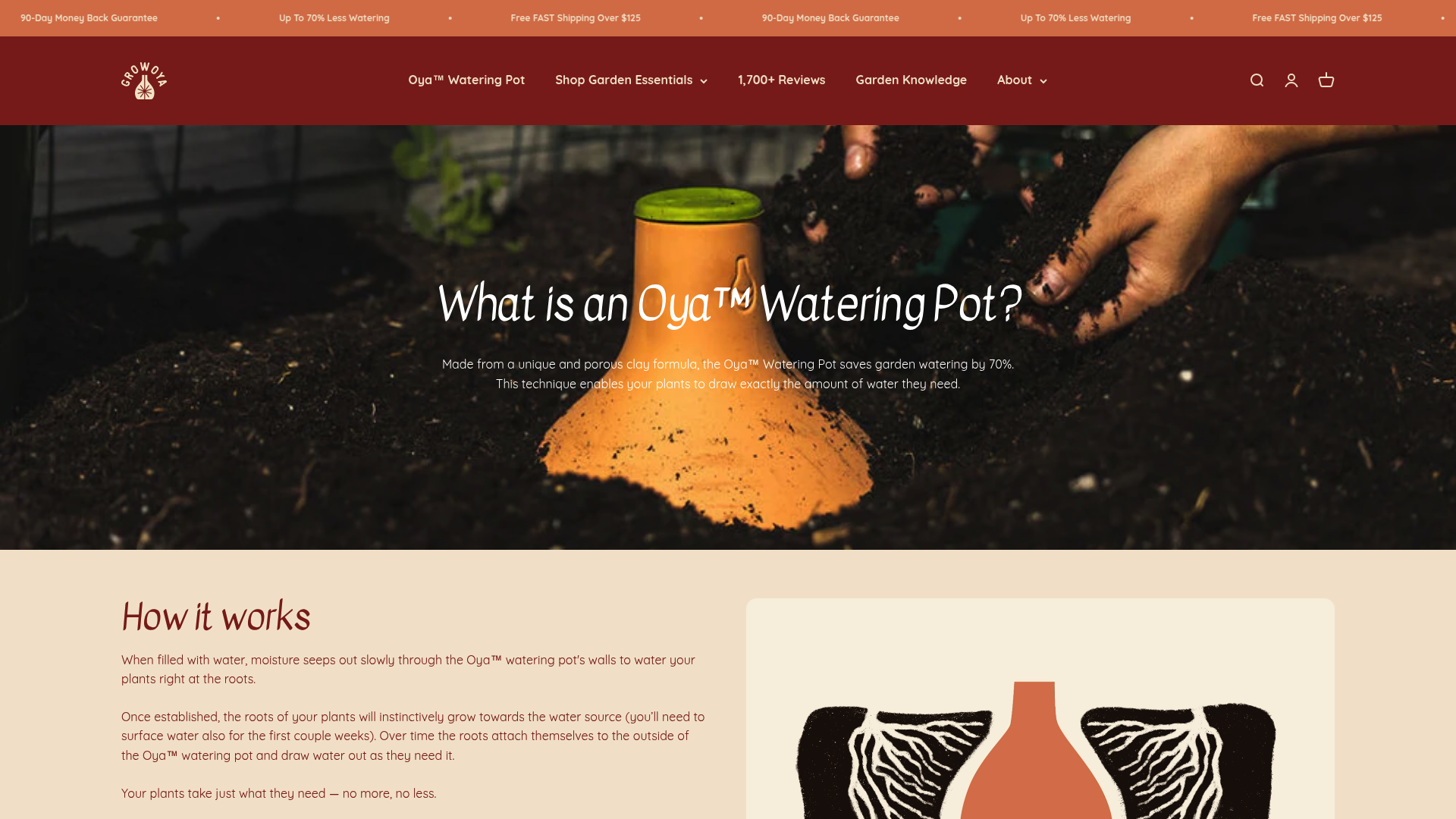
Always fill your containers with Nature’s Care Organic Potting Mix or a similar high-quality product. This mix is light, airy, and contains the right balance of nutrients to get your plants started. If you’re using deep containers, you’ll save water and effort by using an Oya watering pot.
Step 3: Select beginner-friendly plants
Now for the fun part: picking your plants. The general rule’s to plant what you like to eat or look at, but if you’re just starting, some plants are much more forgiving than others.
Edibles for the balcony
“Food as ornament” is a great way to think about your garden. Plants like cherry tomatoes and snap peas add height to your balcony and provide easy snacks. If you’re interested in growing food, our guide to growing vegetables in a small balcony has more specific recommendations.
For herbs, basil, mint, and rosemary are nearly indestructible as long as they get enough sun. If your balcony’s mostly shaded, focus on lettuce, spinach, and Swiss chard, which can thrive with just a half-day of light.
Trees and decorative arrangements
You can even grow small trees like dwarf citrus on a sunny balcony. For decorative pots, use the “thriller, spiller, filler” method:
- Thriller: A tall, showy plant in the center for height (like a dwarf tree or ornamental grass).
- Spiller: Trailing plants that spill over the edges (like ivy or petunias).
- Filler: Bushy, medium-height plants to fill the gaps (like marigolds or herbs).
This recipe creates a lush, professional look that makes any small space feel like a curated garden [Source: https://mgnv.org/resources/balcony-gardening-basics/].
Step 4: Master the daily watering and maintenance routine
Maintenance in a balcony garden’s different than in the ground. Because containers are isolated, they dry out much faster and need more frequent attention.
Smart watering habits
In the height of summer, you might need to water your balcony garden twice a day. Always use saucers or trays under your pots to collect overflow. This isn’t just to save water; it’s also to be a good neighbor and prevent water from raining down on the balcony below you. Use the “finger test” to check moisture: stick your finger into the soil up to the second knuckle. If it feels dry, it’s time to water.
Automated irrigation
If you’ve got a large collection of planters, a drip irrigation system can save you hours of work. These systems use a main hose and smaller “capillary” tubes to deliver water directly to each plant. You can even add a timer to the spigot so your garden waters itself while you’re at work or on vacation.
Feeding your plants
Containers lose nutrients every time you water them. We recommend using a mix of slow-release organic fertilizer and quick-fix soluble feeds like Miracle-Gro when your plants need a boost. Follow the instructions on the label carefully, as over-fertilizing’ll be just as harmful as under-feeding.
Start your balcony garden journey with GrowInBalcony
Gardening in the balcony’s a journey of learning and experimentation. You’ll have successes, and you’ll likely have a few “RIP peas” moments along the way. The key’s to start small and enjoy the process of watching something grow.
| Action | Benefit | Tools Needed |
|---|---|---|
| Evaluate Sun | Choose the right plants | SunCalc or Camera |
| Choose Potting Mix | Healthy root growth | Nature’s Care Organic |
| Use Saucers | Keep neighbors happy | Plastic or Resin trays |
| Plan Vertically | Maximize small space | Railing baskets, hooks |
We’re here to support you at every step of your journey. Whether you’re looking for practical tips for absolute beginners or just some inspiration for your setup, our community’s all about growing together. For more inspiration, explore our full category of gardening tips.
Bottom line? Don’t wait for a “perfect” garden. Grab a pot, some soil, and a pack of seeds, and start your balcony oasis today.
Frequently Asked Questions
What are the best low-maintenance plants for gardening in the balcony?
If you want plants that can handle a bit of neglect, herbs like rosemary and mint are excellent choices for gardening in the balcony. They are hardy and don’t require daily attention as long as they have enough sun.
Can I grow my own food while gardening in the balcony?
Yes, gardening in the balcony is perfect for growing ‘snack-size’ vegetables like cherry tomatoes, snap peas, and radishes. These plants thrive in containers and provide a fresh harvest throughout the summer.
How much direct sunlight is needed for successful gardening in the balcony?
For most vegetables, you will need six to eight hours of direct sun. If you are gardening in the balcony with less light, focus on shade-tolerant greens like spinach, kale, and lettuce.
What is the biggest mistake beginners make when gardening in the balcony?
The most common error while gardening in the balcony is overwatering or underwatering. Because containers are small, they dry out fast in the heat but can also suffer from root rot if they don’t have proper drainage.
Are there weight limits I should worry about for gardening in the balcony?
Most modern apartment balconies have a weight limit of around 60 pounds per square foot. When gardening in the balcony, use lightweight resin pots and fabric grow bags to ensure you stay well within safe limits.
How do I handle pests when gardening in the balcony?
Pests can still find your plants even high up. When gardening in the balcony, check your leaves regularly for aphids or mites and use organic solutions like neem oil or soapy water to keep your garden healthy.


